
20TH JANUARY 2020
THE SWASTIKA
Significance of the swastika in different cultures
The word ‘swastika’ is derived from Sanskrit (swastika), Su– meaning good and Asti– it is forming the word swasti which meant good fortune; the added suffix ka is an abstract noun and then together it translates ‘that which is associated with well being’ and is a symbol of good fortune and prosperity, in Sanskrit it means ‘good luck’. the branches of swastika is at right angles and circular nature of its points represent it is an ancient symbol and has been widely distributed throughout many different cultures in the world, even in the modern world. the swastika is known by many other names in different countries- like ‘wan’ in China, ‘Hakenkreuz’ in Germany ‘Tetra gammadion’ in Greece and ‘Manji’ in Japan etc. To this day swastika still continues to be an important holy symbol of the Hindu, Buddhist and the Jain religions, and can be seen in abundance- on taxis, temples, cover of books etc. The swastika was a favourite and an important symbol in Mesopotamian coinage, it was also widely used in ancient Greece and Rome, remains of it could still be found in the Troy, a city that existed 4000 years ago.
MAJIAYAO CULTURE Neolithic culture emerged around 8000-12000 BC from Anatolia to far east of china and were primarily characterized by the production of stone tools, pottery, early form of textiles, wood and stone shelter houses, burials. Archeological research, to date, has lead to the identifaction of some nearly seven neolithic cultures and one of them was called Majiayao Culture (2600-2300 B.C). The pottery jar carried the symbol of swastika.

CELTIC

In iron age Celtic art, the swastika appears either alone or in artistic composition on a large number of artifacts. One of the most significant Celtic artifacts that was discovered was found in river Thames in 1857. the bronze sheet covering the wooden shield decorated in La Tene style is embossed with 27 swastikas with red enamel.
MEZINE

The earliest swastika ever found was uncovered in Mezine, Ukraine, carved on an ivory figurine which dates back an incredible 12,000 years. The engraved swastika was perceived as a symbol of fertility and good luck.
NAZI
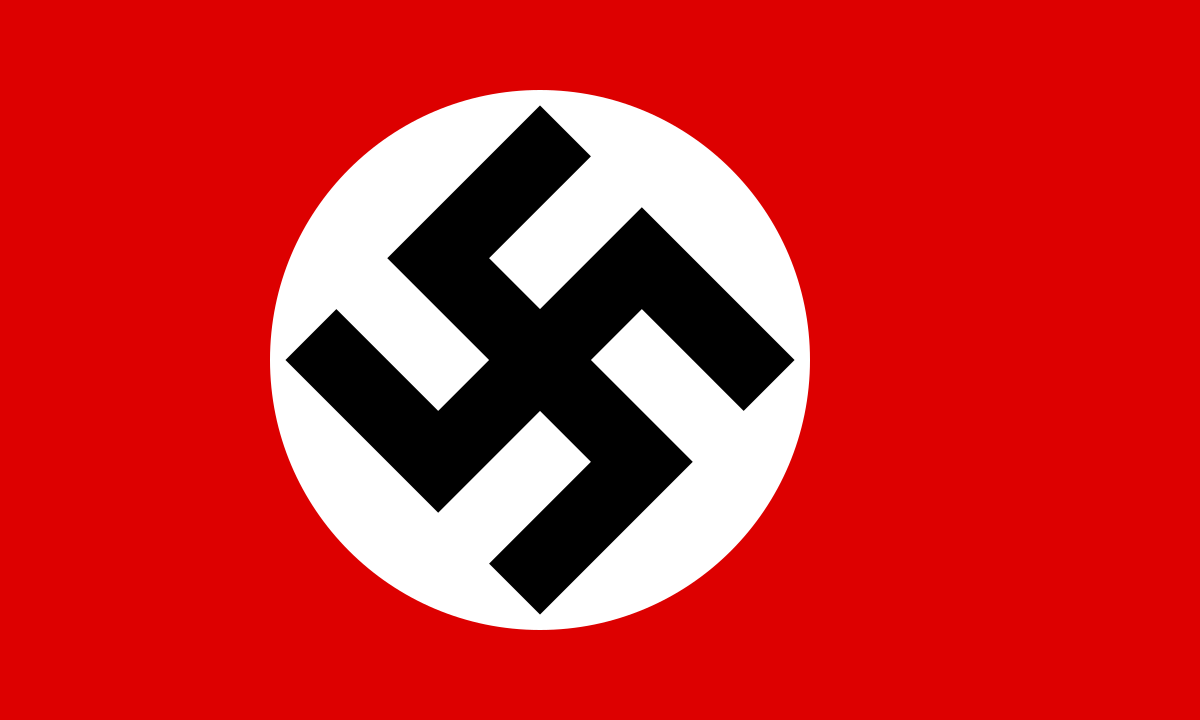
From its earliest conception, the symbol is believed to be positive but after the Nazi Germany, the opinion of many changed towards it. In Nazi Germany, the swastika became the nation symbol. In 1920, Adolf Hitler adopted the swastika as a central element in the party flag of the Nazi party. By 1945, the symbol had become associated with world war 2, military, brutality, fascism and brutality.
 ISDI CHRONICLES